Haircuts that add volume to thin hair work best when they preserve density while creating strategic movement around the crown and face. Strong perimeters, subtle graduation, carefully placed layers, and shorter lengths can help prevent delicate strands from being weighed down. The goal is not simply adding more layers, since excessive texturizing can actually make thin ends appear even lighter.
Choosing the right shape depends on your texture, preferred length, and natural growth pattern. Blunt bobs can create substantial-looking ends, while pixies and bixies encourage lift through shorter crown sections. Medium cuts can also work beautifully when layering remains controlled. These options focus on creating balanced volume without sacrificing the density thin hair already has.
Why Volume-Boosting Cuts Continue to Work
Volume-enhancing haircuts remain reliable because they use structure rather than excessive styling to create a fuller silhouette. Removing unnecessary length can reduce weight at the roots, while stronger baselines make the lower sections appear denser and more intentional.
Strategic layering also allows movement to develop exactly where it is needed. Crown graduation can create lift, while face-framing pieces introduce dimension without thinning the entire haircut. When the underlying shape is thoughtfully designed, everyday styling becomes easier because the cut itself already supports volume.
Blunt Chin-Length Bob
A blunt chin-length bob creates the appearance of greater density by keeping the perimeter strong and minimizing unnecessary layering. Fine or thin strands gather along one clean baseline, giving the ends a more substantial appearance while the shorter length prevents excess weight from pulling the roots downward.
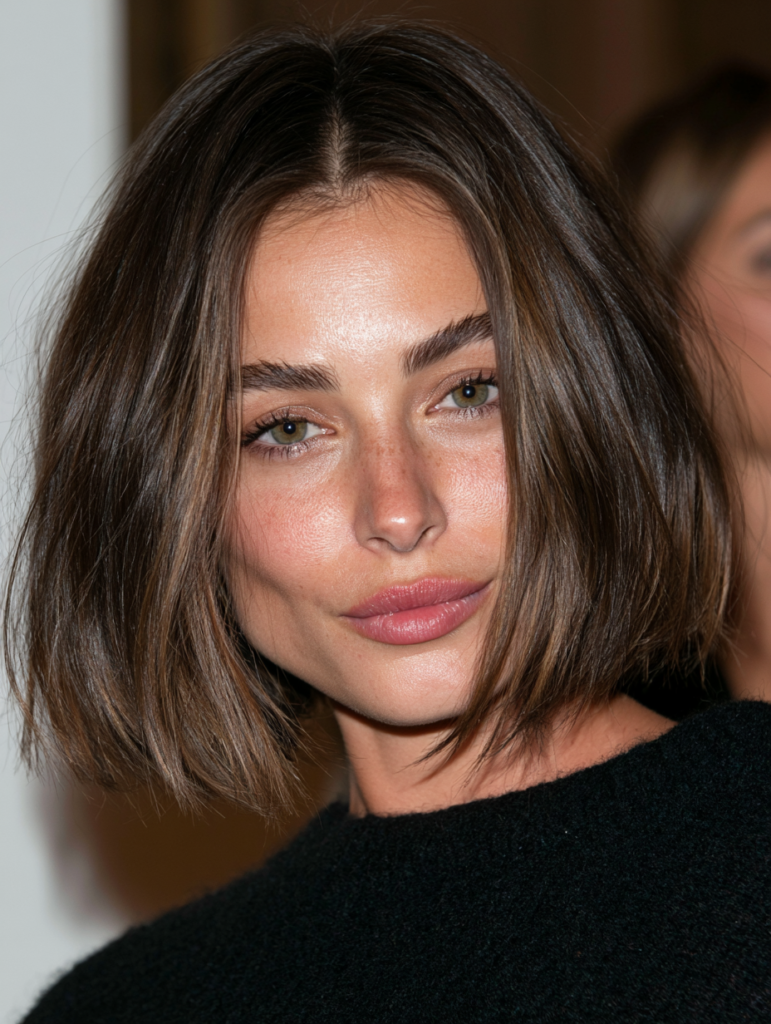
Keep the interior relatively simple and use a center or slightly off-center part depending on your natural growth pattern. Gentle root lift can add dimension without disturbing the strong outline. This classic haircut is particularly effective when thin hair needs visual fullness through the ends rather than additional texture throughout the entire shape.
Softly Stacked Bob
A softly stacked bob introduces controlled graduation through the back, creating gentle elevation around the crown while maintaining enough weight through the lower sections. Keeping the stacking subtle prevents the ends from becoming overly thin or creating an exaggerated wedge-shaped silhouette.
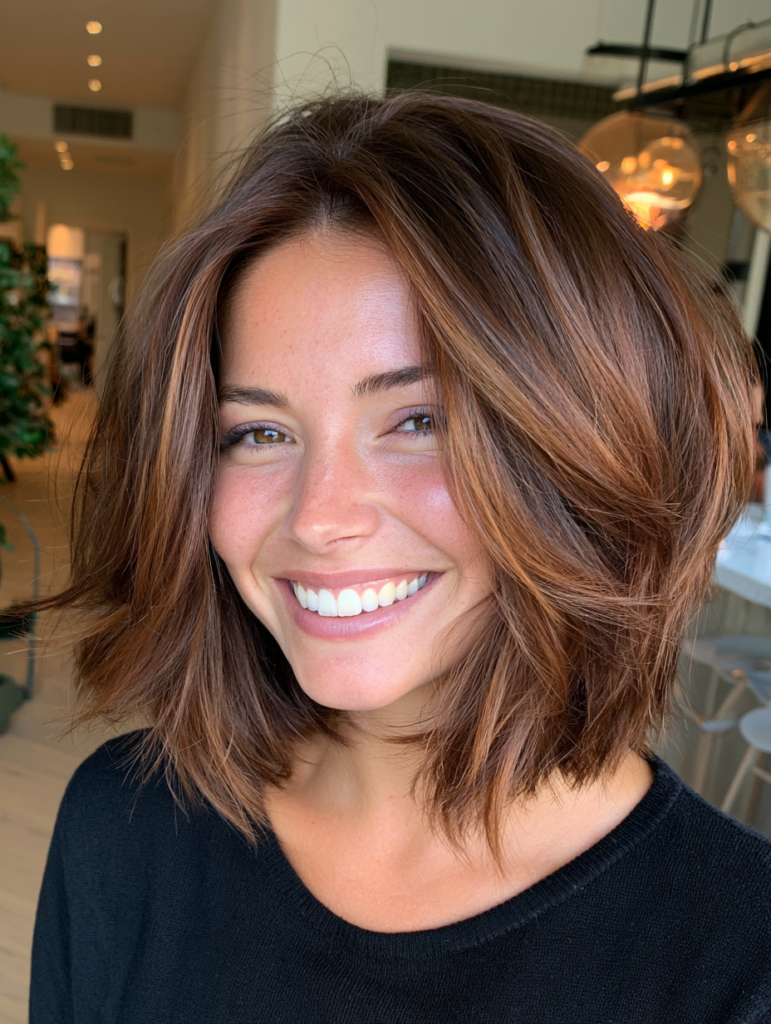
Leave slightly longer pieces toward the front to balance the lifted back and create a smooth transition around the face. Lightweight volumizing mousse can reinforce the crown without making strands stiff. This structured bob works beautifully when you want noticeable shape and root lift while preserving enough density for the haircut to remain polished and substantial.
Textured Bixie
A textured bixie combines the compact proportions of a pixie with slightly longer bob-inspired sections around the crown and sides. Shorter underlying pieces can encourage natural lift, while longer surface sections maintain enough softness and density for versatile styling.

Work a small amount of lightweight mousse through damp hair and lift selected crown pieces with your fingertips. Avoid separating every strand, since excessive definition can make thin hair appear sparse. This modern hybrid is ideal when you want greater volume through shorter lengths but still prefer enough hair for sweeping, tucking, and softly tousled finishes.
Blunt Collarbone Lob
A blunt collarbone lob allows you to retain medium length while preserving density through a strong lower perimeter. Keeping layering minimal helps thin strands gather together visually, while the collarbone placement removes enough excess length to prevent the hairstyle from becoming overly flat.
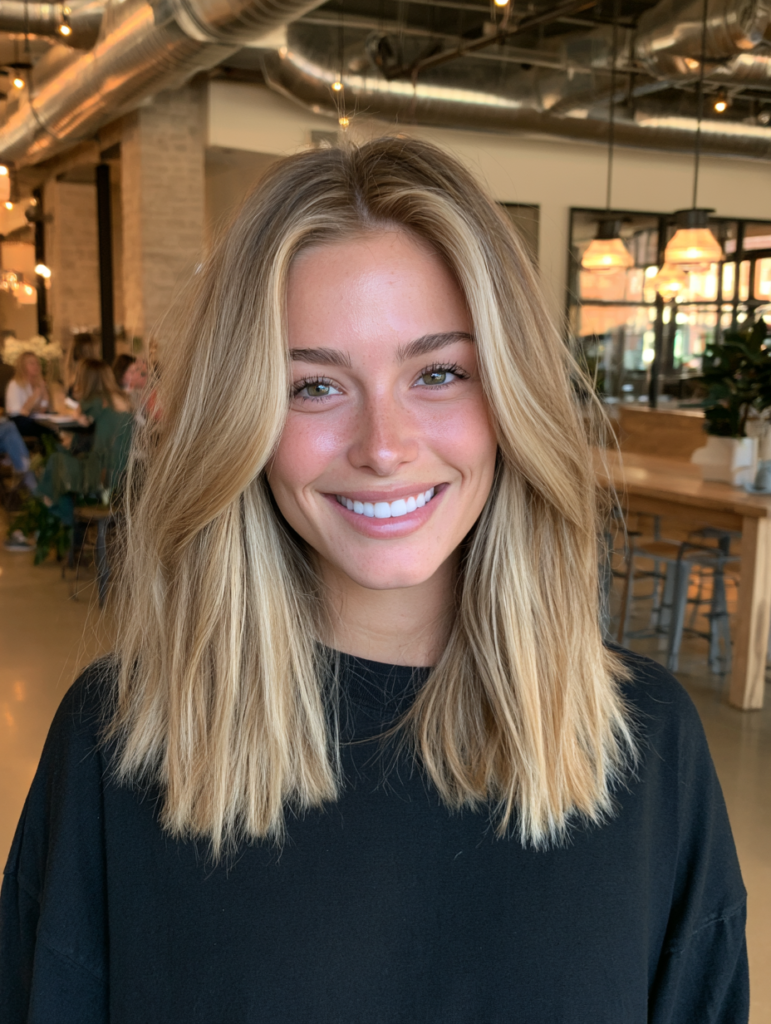
A slightly off-center part can create natural root lift without requiring major styling changes. Broad bends through the middle lengths add movement while leaving the ends relatively substantial. This versatile haircut works particularly well when you want a fuller-looking silhouette but prefer maintaining enough length for ponytails, low buns, clips, and simple half-up hairstyles.
Rounded Bob With Crown Lift
A rounded bob creates soft fullness by combining a substantial perimeter with carefully controlled shaping through the crown. The curved silhouette can make thin hair appear more dimensional without depending on numerous short layers that might reduce density throughout the ends.
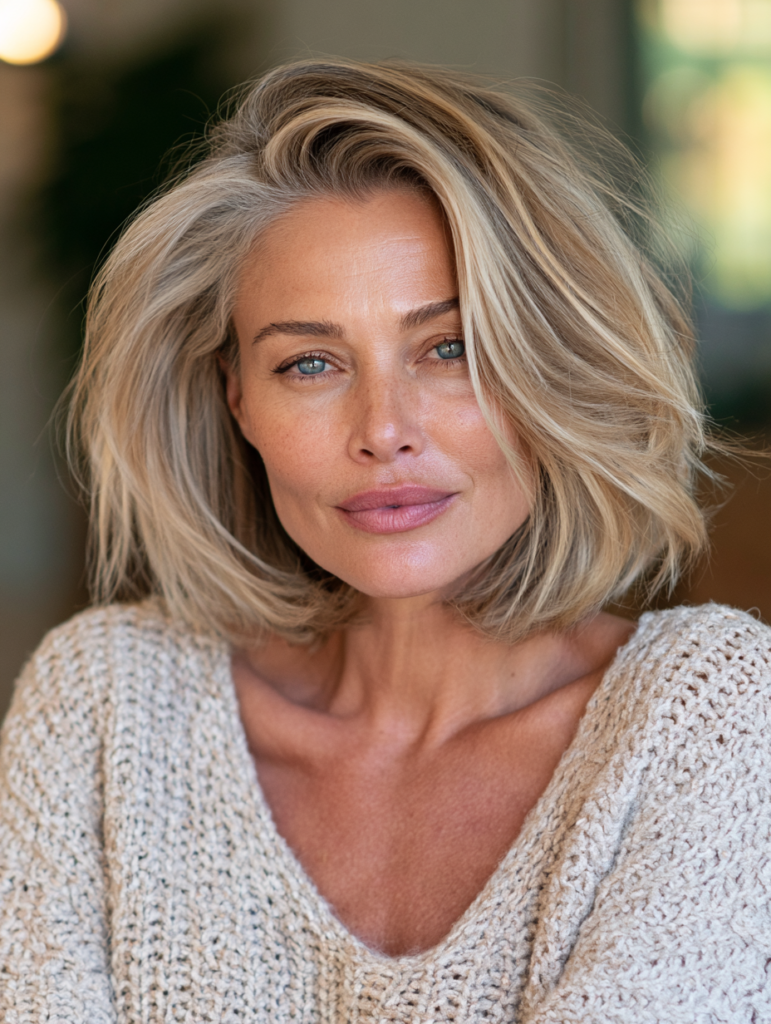
Use a small round brush to encourage gentle root elevation and direct the lower sections slightly inward. Keep the volume natural rather than creating an exaggerated rounded shape. This polished haircut is especially effective when you prefer classic styling and want fullness distributed evenly through the crown, sides, and perimeter instead of concentrated entirely at the top.
Long Pixie With Side-Swept Fringe
A long pixie removes enough length to reduce weight while preserving additional hair through the crown and fringe for styling flexibility. The shorter sides create contrast that can make the upper sections appear fuller, while a side-swept fringe introduces graceful movement around the forehead.

Apply lightweight root mousse and lift the crown gently before directing the longer front pieces diagonally. Avoid heavy waxes that can separate delicate strands excessively. This adaptable haircut works well when thin hair struggles to maintain volume at longer lengths but you still want softness and movement around the face.
One-Length French Bob
A one-length French bob creates visual density through its compact jaw-level shape and substantial perimeter. Keeping the interior mostly free from obvious layering allows thin strands to remain grouped together, producing a stronger silhouette than heavily feathered or extensively texturized alternatives.

A light fringe can be added when sufficient density is available, although a simple center or side part preserves more hair throughout the main shape. Natural bends can provide additional dimension. This chic haircut is especially suitable when you want short hair that feels fuller through precision and proportion rather than relying on extensive volumizing techniques.
Graduated Pixie Bob
A graduated pixie bob uses shorter back sections to support greater lift through the crown while retaining longer pieces around the sides and front. The gradual transition creates structure without removing excessive density from areas where thin hair needs visual substance.

Keep the graduation softly blended and preserve enough surface length to prevent the haircut from appearing overly layered. A side part can provide additional elevation and directional movement. This practical hybrid works beautifully when you want short-hair manageability combined with a fuller crown and enough front length for varied styling throughout the week.
Wavy Bob With Minimal Layers
A wavy bob uses natural or softly styled bends to create dimension while minimal layering preserves density through the perimeter. Movement changes the direction of individual strands, helping the hairstyle appear fuller without requiring numerous short sections or aggressive texturizing.
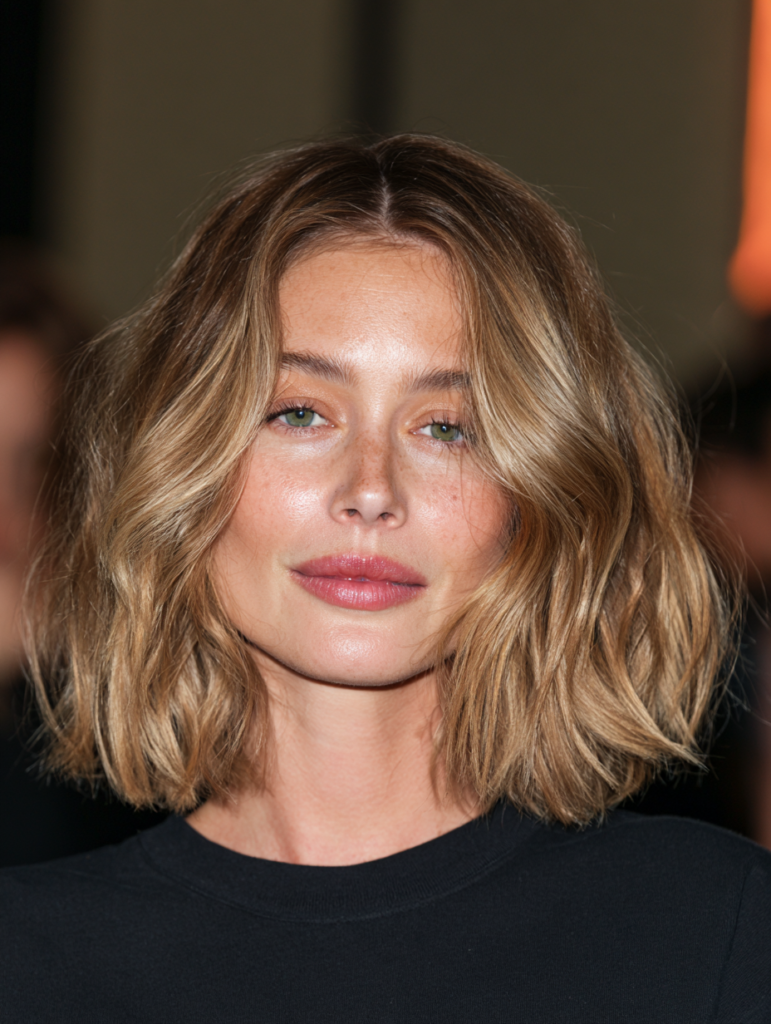
Keep the waves broad and slightly irregular rather than separating them into many small curls. Lightweight wave foam can support movement while maintaining softness. This haircut is particularly effective when thin hair has natural bends or responds easily to styling, since the combination of strong ends and flexible texture creates fullness throughout the silhouette.
Short Shag With Controlled Layers
A short shag can add crown movement to thin hair when its layers are carefully controlled rather than aggressively texturized. Slightly shorter upper sections encourage lift, while preserving greater length and density through the lower perimeter prevents the hairstyle from becoming excessively wispy.

Keep the transitions soft and use lightweight texture spray to enhance movement without separating the ends too much. A wispy fringe can complement the relaxed shape when desired. This contemporary haircut works particularly well when you want more texture than a traditional bob provides but still need to protect valuable density throughout thinner strands.
Angled Bob With Full Ends
An angled bob keeps the back slightly shorter while extending gradually toward the front, creating directional movement without requiring extensive layering. Maintaining a strong baseline throughout the angle allows thin hair to retain visual density, especially around the jaw and front sections.

Use gentle root lift through the crown to complement the haircut’s forward movement. The ends can remain straight or curve slightly inward for additional polish. This structured shape is ideal when you want a bob with more personality than a completely one-length cut while still prioritizing substantial-looking ends and manageable everyday styling.
Pixie With Voluminous Crown
A pixie with a voluminous crown uses shorter lower sections and slightly longer top pieces to create natural contrast and elevation. Removing excess length reduces weight, making it easier for thin strands to maintain lift instead of falling flat against the scalp.
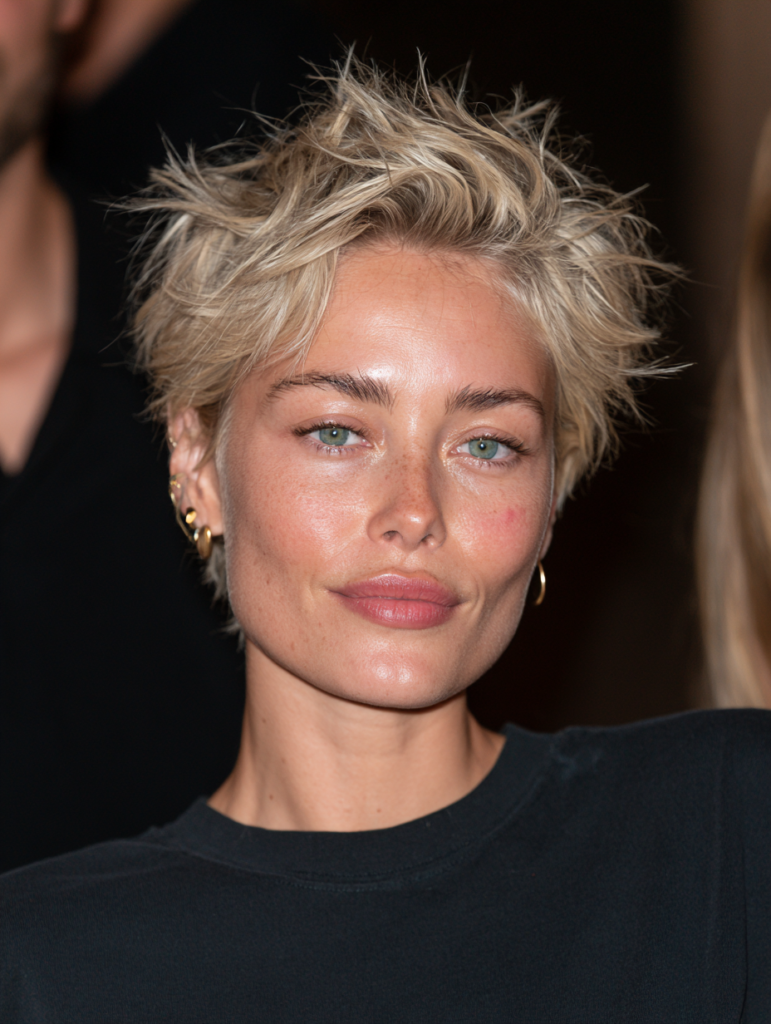
Apply a small amount of volumizing mousse near the roots and direct selected pieces upward or sideways with your fingers. Keep the texture soft rather than forming stiff spikes. This energetic short haircut is particularly useful when you want volume concentrated around the crown while maintaining an uncomplicated shape through the sides and neckline.
Bob With Wispy Side Bangs
A bob with wispy side bangs creates delicate movement around the forehead while maintaining a strong perimeter throughout the main haircut. Keeping the fringe lightweight prevents too much hair from being removed from the crown, where thin strands often need maximum density.

Direct the bangs diagonally toward one temple and maintain subtle root lift through the heavier side. Avoid over-texturizing the lower sections because substantial ends contribute strongly to the fuller appearance. This balanced combination works beautifully when you want facial framing while preserving the structural elements that help thin hair look more dimensional.
A Volume-Boosting Styling Plan for Thin Hair
Haircuts that add volume to thin hair perform best when styling supports the structure without weighing strands down. Apply lightweight volumizing mousse or root spray sparingly, concentrating around the crown. When drying, lift the roots gently and direct airflow upward before smoothing the ends into the haircut’s intended shape.
Avoid excessive oils, heavy creams, and repeated texturizing products that can cause delicate strands to separate and appear thinner. Switching your part occasionally can create immediate root lift. Broad waves also add dimension, while maintaining strong ends ensures the hairstyle continues looking substantial even when the crown is styled with softer volume.
Final Thoughts
Haircuts that add volume to thin hair rely more on strategic structure than excessive layering. Blunt bobs and lobs preserve density, while softly stacked shapes and pixies encourage crown lift. Bixies, controlled shags, and wavy bobs introduce movement without sacrificing the strength of the perimeter.
Consider where your hair needs fullness most before selecting a cut. Shorter crown sections can help flat roots, while stronger baselines make delicate ends appear more substantial. Whether you prefer a polished bob, textured pixie, or medium-length lob, maintaining the right balance between movement and density can create a noticeably fuller silhouette while keeping styling practical.
