The best haircuts for receding hairline women use thoughtful fringe placement, flexible parting, and soft face-framing pieces to create balanced coverage around the temples and forehead. Rather than relying on extremely heavy bangs, a well-designed cut works with available density and natural growth direction. Pixies, bobs, bixies, and medium-length styles can all be adapted successfully.
Hairline changes vary considerably, so the most flattering solution depends on where density has decreased. Longer temple pieces can soften the sides, while wispy or side-swept bangs provide flexible forehead coverage. Preserving density is especially important, since excessive layering can make delicate areas appear thinner. These hairstyles focus on strategic shape while remaining practical for everyday styling.
Why Thoughtful Face Framing Makes These Cuts So Effective
Haircuts designed around changing hairlines remain effective because they redirect attention through movement instead of trying to create rigid coverage. Diagonal fringes, soft texture, and irregular parting can break up exposed areas while keeping the hairstyle natural and flexible.
Versatility is equally important. Longer bangs can move sideways, separate softly, or blend into surrounding layers depending on the desired coverage. Shorter cuts can also reduce weight that pulls hair flat. A carefully customized shape makes it easier to adjust styling as density or growth patterns change over time.
Long Pixie With Side-Swept Bangs
A long pixie preserves extra length through the crown and front, allowing the fringe to sweep diagonally toward the temples. This movement can soften a receding hairline while the shorter back and sides keep the overall haircut lightweight and easy to manage.
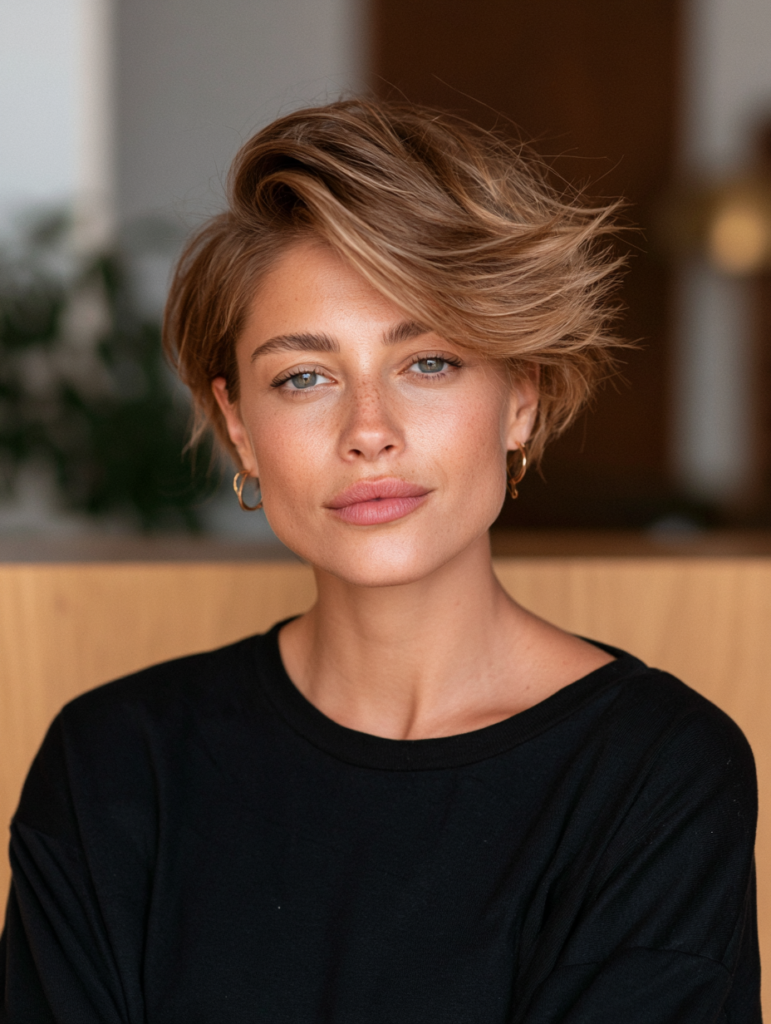
Keep the fringe flexible rather than cutting a thick, rigid section across the forehead. Lightweight mousse can provide gentle root lift and help direct the front pieces naturally. This adaptable pixie works particularly well when you want short-hair convenience but still need enough length around the front for adjustable coverage and different styling directions.
Wispy Fringe Bob
A wispy fringe bob combines a substantial perimeter with delicate pieces across the forehead. The lightweight bangs provide soft coverage without removing too much hair from the crown, while slightly longer sections near the temples can help create a gradual transition around the hairline.
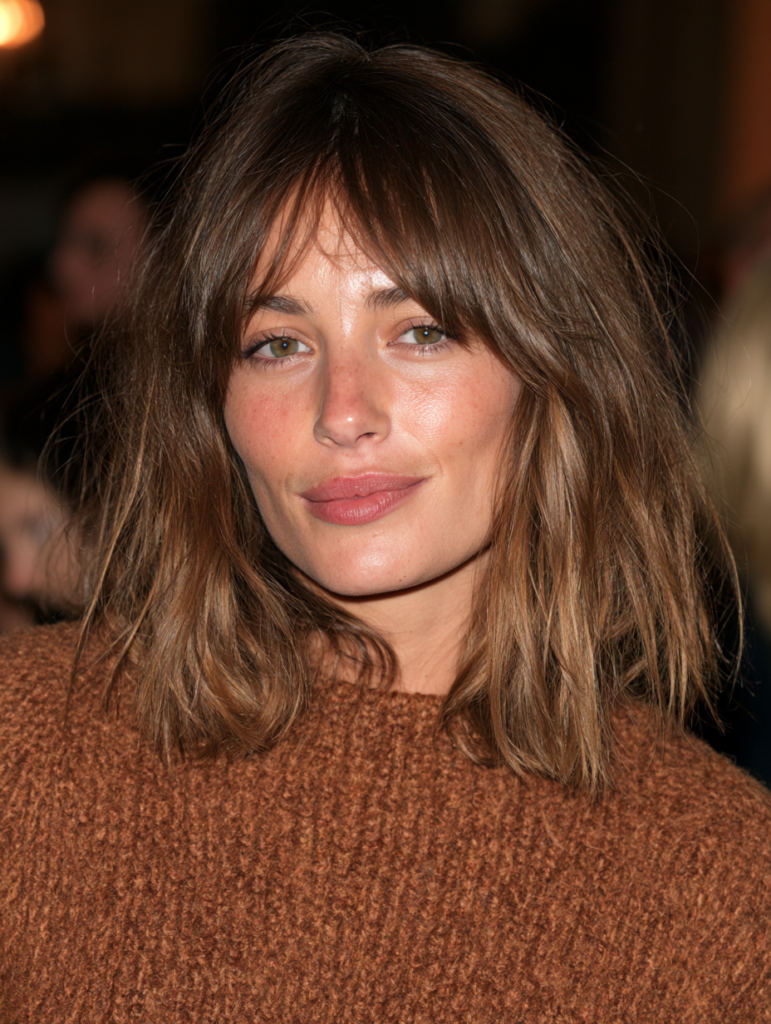
Keep the fringe irregular and softly separated rather than forming a perfectly straight line. A small amount of volumizing mist can support movement without weighing down delicate strands. This balanced haircut is especially useful when you want noticeable fringe but need to preserve density throughout the rest of the hairstyle.
Textured Bixie With Temple Pieces
A textured bixie combines short proportions with longer sections around the crown, fringe, and temples. Preserving these face-framing pieces creates flexible coverage near the hairline, while textured movement prevents the front from appearing overly structured or deliberately concealed.
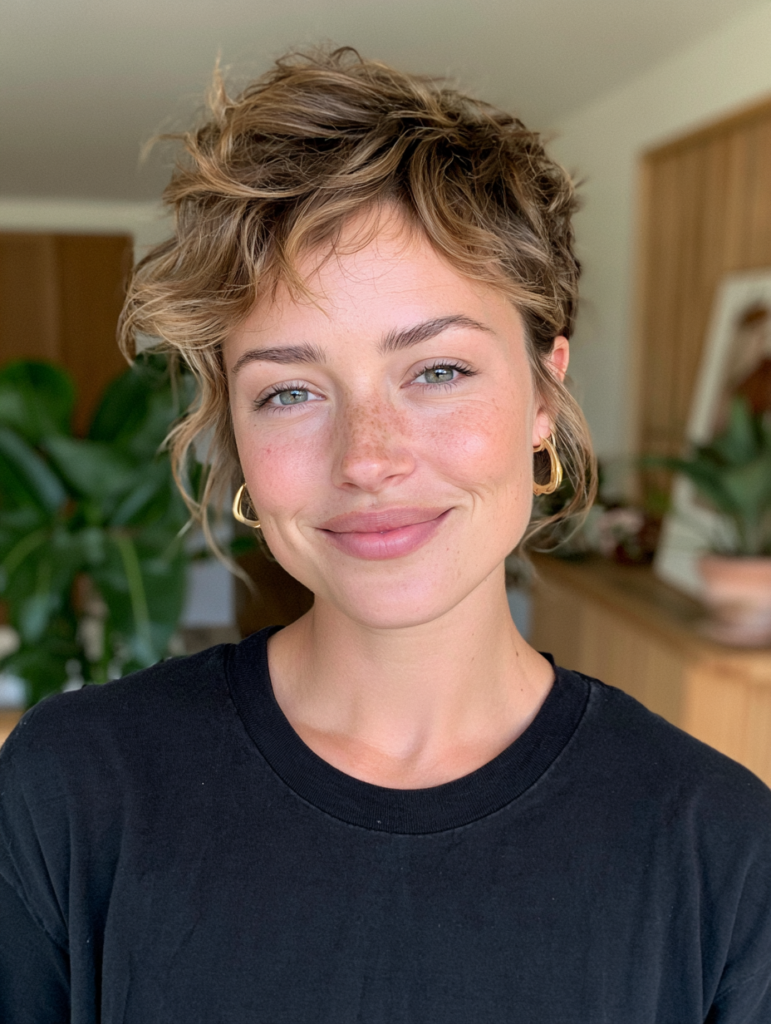
Use lightweight styling foam and arrange the upper sections with your fingers, allowing several pieces to fall naturally toward the temples. Avoid excessive separation that could expose more scalp. This contemporary hybrid works beautifully when you want a manageable short haircut but prefer more facial softness and styling versatility than a closely cropped traditional pixie provides.
Side-Parted Chin-Length Bob
A side-parted chin-length bob redistributes hair across the forehead and crown, helping soften one side of the hairline while creating natural asymmetry. The clean perimeter also preserves visual density through the ends, making the overall hairstyle appear stronger and more substantial.
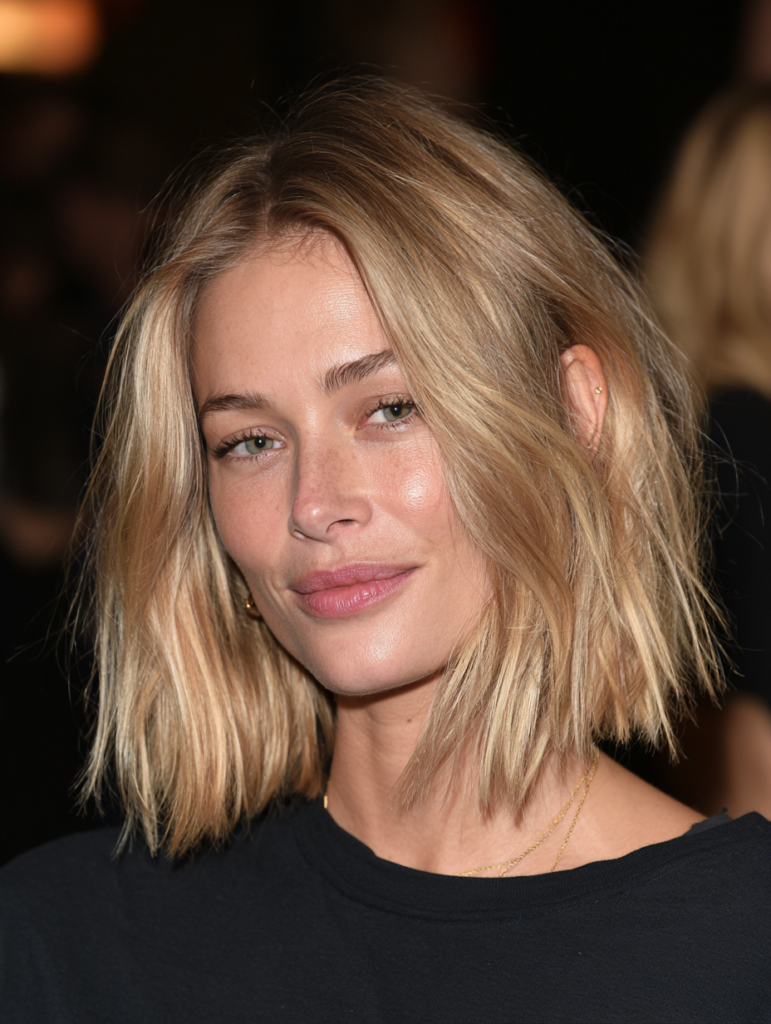
Establish the part while the hair remains damp and guide the heavier front section diagonally across the forehead. Avoid removing excessive weight through the sides. This classic bob works particularly well when you prefer simple styling and want hairline coverage created through strategic direction rather than relying on a full set of traditional bangs.
Soft Curtain Bangs With Lob
Soft curtain bangs create gentle coverage around the upper forehead and temples while blending naturally into a medium-length lob. Keeping the outer sections longer allows them to frame areas near the hairline without requiring a dense fringe across the entire forehead.
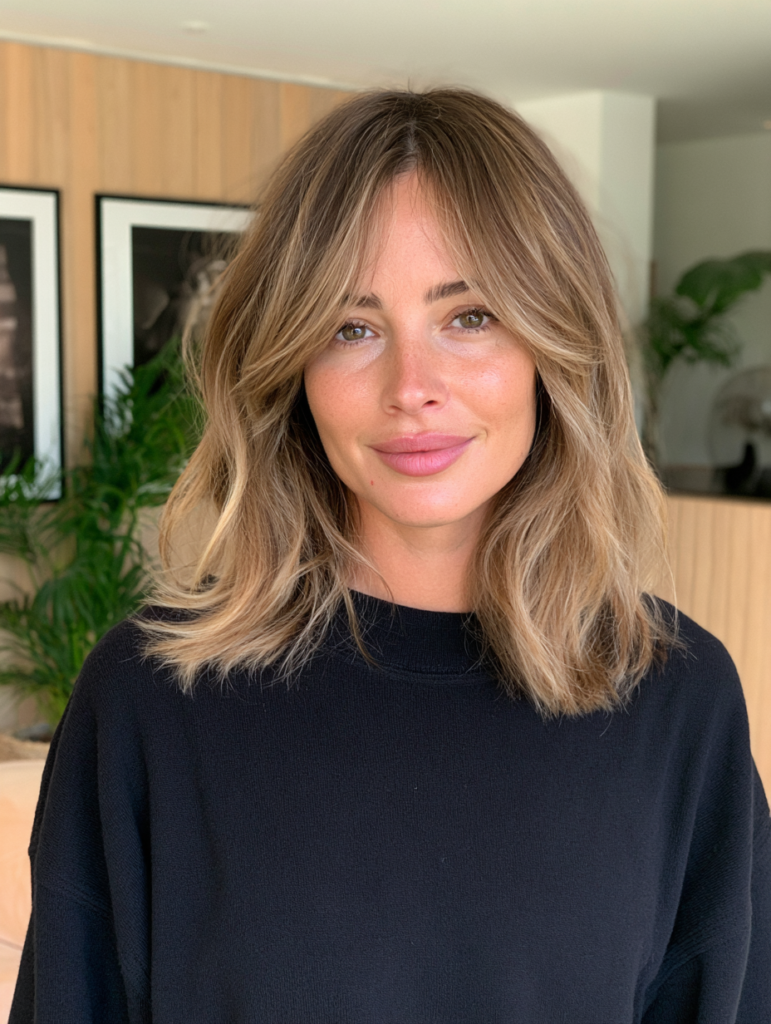
Position the opening slightly off center if a perfectly symmetrical part exposes more scalp. Direct the longer pieces outward using minimal product for a relaxed finish. This adaptable haircut works especially well when you prefer medium lengths and want bangs that can eventually grow into ordinary face-framing layers without creating an awkward transition.
Feathered Pixie With Long Fringe
A feathered pixie uses softly directed layers through the crown and front to create movement toward the forehead and temples. Maintaining a longer fringe provides flexible coverage, while feathered texture keeps the short haircut from appearing rigid or overly compact.

Guide the front sections sideways or slightly forward using lightweight mousse and your fingertips. Preserve enough density through the fringe rather than thinning it aggressively. This graceful haircut is particularly suitable when you enjoy pixie proportions but want softer facial framing and enough front length to adjust the hairstyle according to changing hairline needs.
Rounded Bob With Side Fringe
A rounded bob creates gentle fullness around the sides while a soft side fringe introduces diagonal coverage across the forehead. The combination balances movement near the hairline with a substantial overall silhouette, avoiding the sparse appearance that excessive layering can sometimes create.
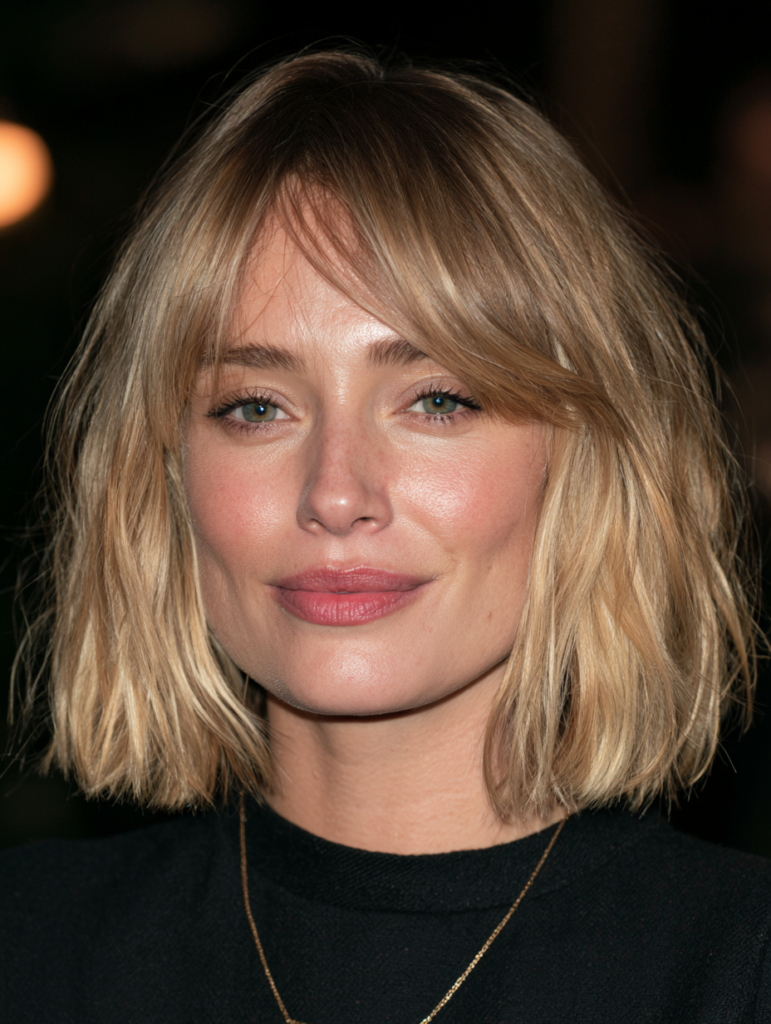
Keep the fringe slightly longer toward the temple and blend it smoothly into the bob. A subtle root lift can support the sweeping direction without requiring dramatic volume. This polished haircut works particularly well when you prefer classic shapes and want hairline coverage incorporated naturally into a structured, elegant hairstyle.
Short Shag With Wispy Bangs
A short shag combines controlled crown movement with a lightweight fringe that can soften the forehead and temple areas. Carefully positioned layers create multidirectional texture, helping prevent strands from separating into predictable lines that might emphasize changes around the hairline.
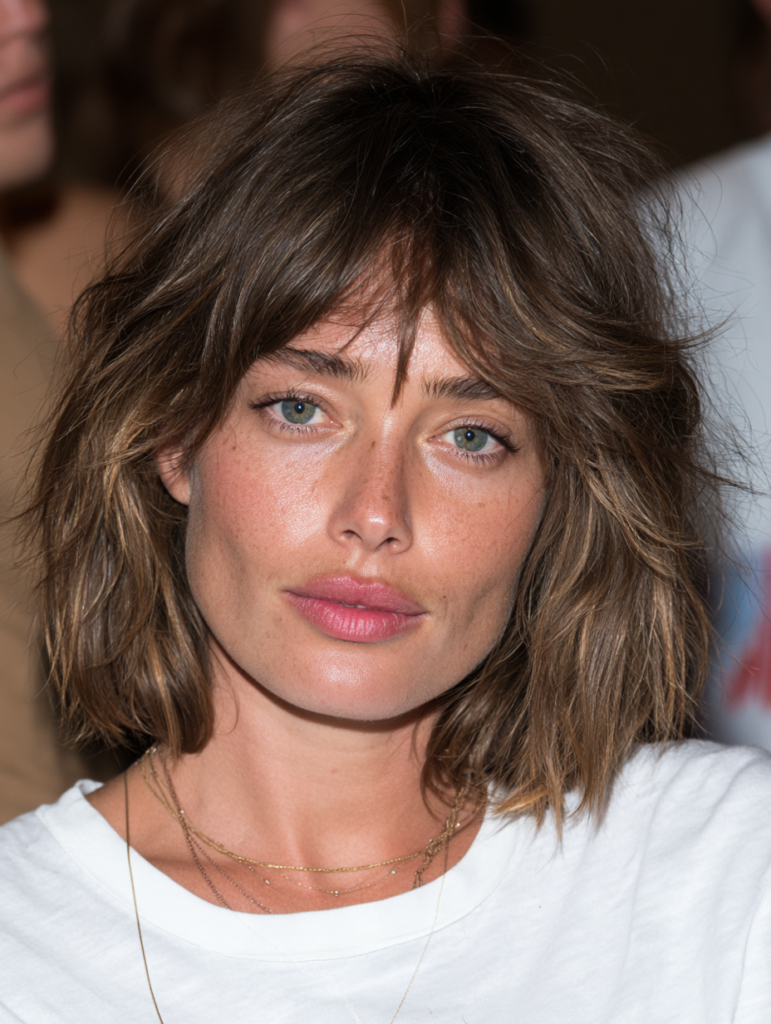
Keep the bangs slightly irregular and avoid over-texturizing already delicate sections. Lightweight styling foam can encourage movement without creating excessive separation. This relaxed haircut works particularly well when your natural hair has some wave or texture and you prefer a softer, less structured appearance than a sleek bob or precisely shaped pixie.
Asymmetrical Pixie With Sweeping Fringe
An asymmetrical pixie preserves greater length through one front section, creating a sweeping fringe that can move diagonally across the forehead. The directional shape provides flexible coverage while the shorter opposite side gives the haircut contemporary structure and visual interest.
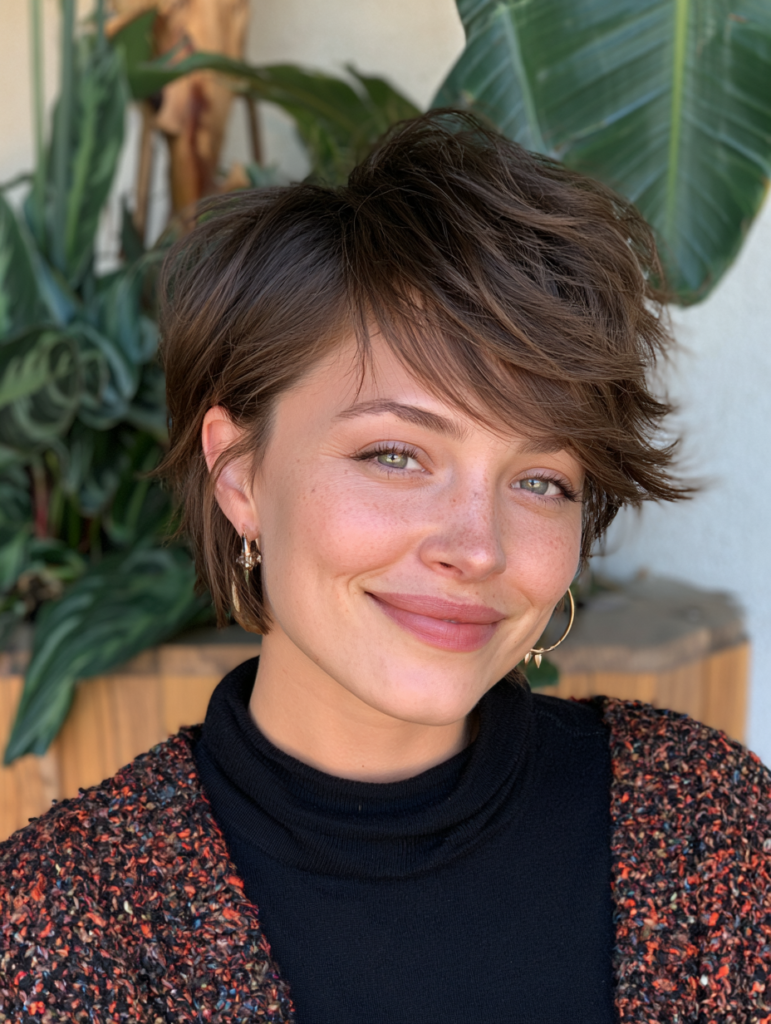
Choose the longer side according to your natural growth pattern and preferred coverage area. Use lightweight styling cream to guide the fringe without making it stiff. This distinctive haircut is ideal when you want short proportions with more personality and prefer strategic asymmetry instead of trying to create identical coverage on both sides.
Wavy Bob With Off-Center Part
A wavy bob uses soft bends and an off-center part to create movement around the forehead, temples, and crown. The changing direction of individual strands can make the hairline appear less defined, while a substantial bob perimeter maintains visual fullness through the lower sections.

Encourage broad, relaxed waves rather than tightly separated curls. Lightweight wave foam can provide enough support while keeping the front flexible. This hairstyle works beautifully when your hair naturally bends or responds easily to styling and you want coverage that feels relaxed rather than carefully constructed around the hairline.
Long Side Fringe With Layered Lob
A long side fringe blends gradually into a layered lob, creating continuous diagonal movement from the forehead toward the cheekbones. Its extended length allows the fringe to soften the temple area while remaining versatile enough to tuck behind the ear whenever different styling is preferred.
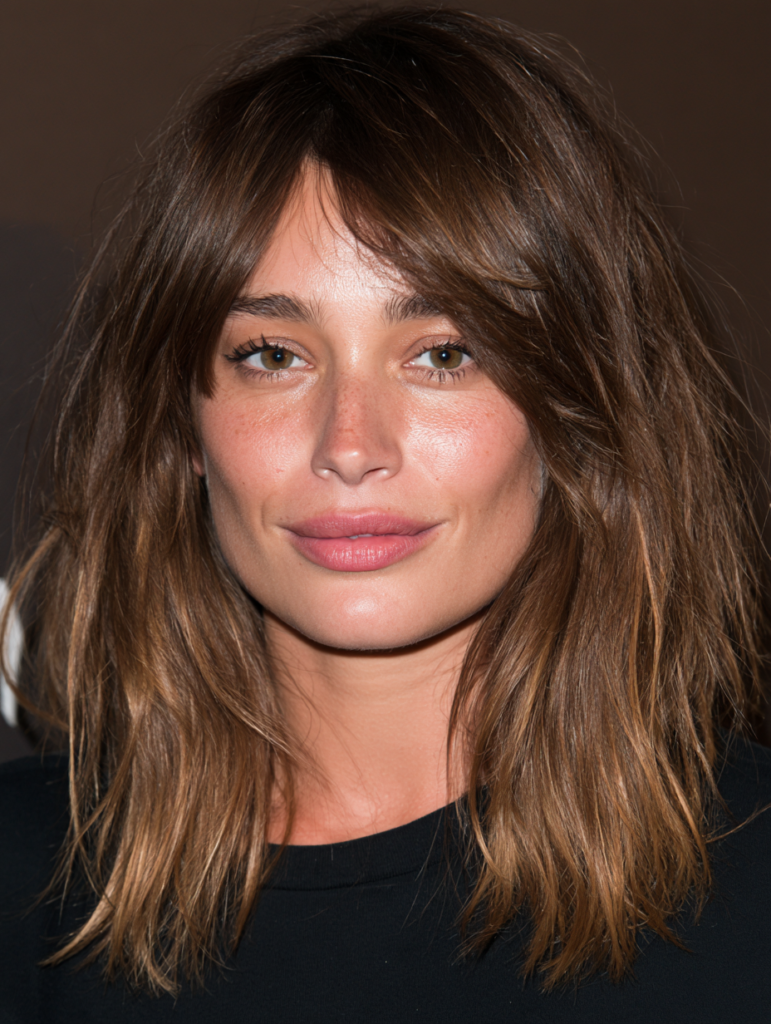
Keep the surrounding layers restrained to preserve density throughout the lower lengths. Direct the fringe according to your natural growth pattern instead of forcing it against stubborn movement. This sophisticated option works well when you want adaptable coverage while maintaining practical medium length for ponytails, clips, and simple updos.
Curly Pixie With Soft Front Curls
A curly pixie preserves slightly longer curls through the front so natural texture can provide softness around the forehead and temples. The irregular curl pattern creates organic movement, which can make the hairline appear less sharply defined than a completely slicked-back or closely cropped style.

Maintain enough length to accommodate shrinkage and allow front curls to settle naturally. Lightweight curl cream can support definition without creating stiffness. This expressive haircut works particularly well when you want to use your natural texture strategically rather than repeatedly straightening delicate hair around the front.
Face-Framing Shoulder-Length Cut
A shoulder-length haircut with soft face-framing pieces provides subtle coverage without requiring traditional bangs. Shorter front sections can begin around the cheekbones while longer temple pieces create gentle movement near the hairline and blend naturally into the remaining lengths.
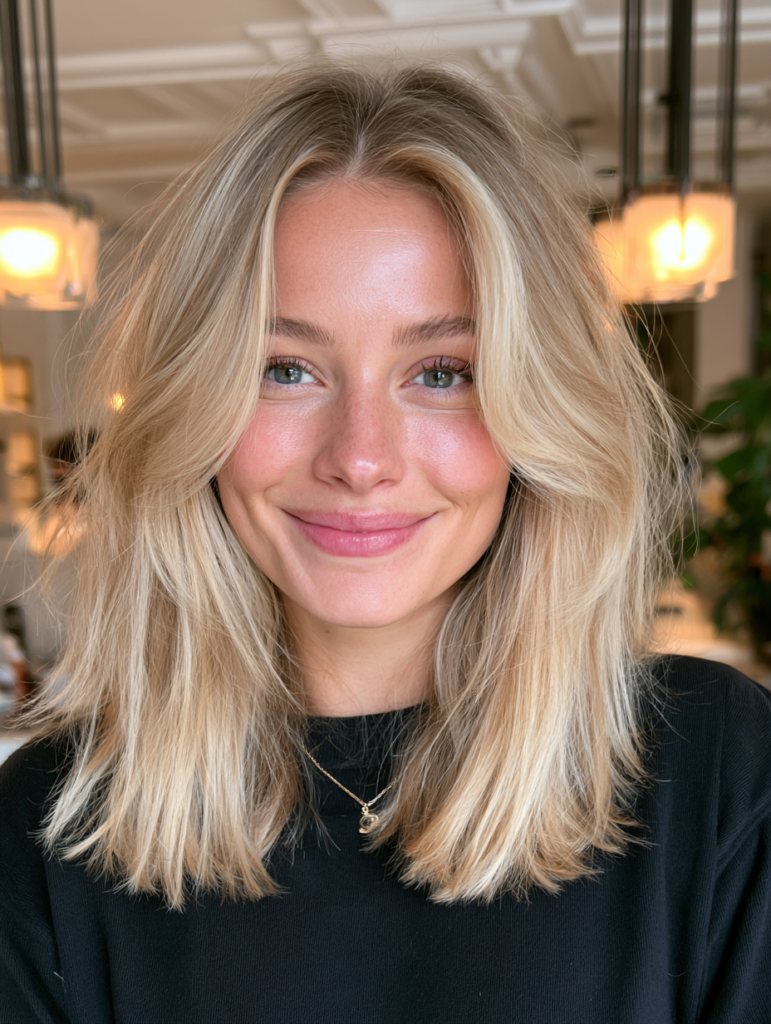
Keep layering minimal throughout the back so overall density remains substantial. An off-center part or broad waves can add additional movement around the crown and forehead. This versatile option is ideal when you prefer keeping medium-length hair and want flexible framing that can move naturally rather than permanently covering the forehead.
A Hairline-Friendly Styling Strategy
The best haircuts for receding hairline women generally work with natural growth patterns rather than forcing strands into directions they resist. Experiment with side or slightly off-center parts, then use lightweight mousse or root spray to support gentle movement. Heavy oils and thick styling creams can flatten delicate front sections and make separation more noticeable.
Avoid repeatedly pulling the hair into very tight ponytails, buns, braids, or extensions that place sustained tension around the hairline. Gentle styling helps protect vulnerable front strands while allowing bangs and face-framing sections to remain flexible. If recession is new, rapidly worsening, patchy, or accompanied by scalp symptoms, consider getting it assessed by a dermatologist or other qualified healthcare professional.
Final Thoughts
The best haircuts for receding hairline women focus on strategic movement, preserved density, and flexible facial framing. Long pixies offer adjustable fringe coverage, while bobs provide stronger perimeters. Bixies, shags, and wavy styles introduce texture that can soften visible changes around the forehead and temples.
Choose a haircut according to your natural density and the specific areas where you want additional framing. Side-swept bangs may work beautifully for one hairline, while curtain fringe or longer temple pieces may suit another. Thoughtful customization is more effective than forcing a standardized fringe, allowing the hairstyle to remain comfortable, natural-looking, and easy to adjust.
